Cornflower Blue Mica Glitter with Eco Sparkle

Cornflower Blue Mica Glitter

5 gram bag
Sale price  $1.17 Regular price  $1.30
Skip to product information
Cornflower Blue Mica Glitter with Eco Sparkle

Cornflower Blue Mica Glitter

102 reviews

Sale price  $1.17 Regular price  $1.30
Size

Description

Eco-friendly Cornflower Blue Mica Glitter infuses your projects with soft, shimmering brilliance and a commitment to sustainability. Crafted from fluorphlogopite, this lab-created glitter delivers a luxurious sparkle for soaps, resin, and beyond.

In melt-and-pour soaps, it shines like starlight without the scratchiness of traditional plastic glitter. In cold process soaps, it adds unmatched radiance and charm. Follow the recommended use rates to create stunning CP soaps that outshine the competition!

Color Testing Notes

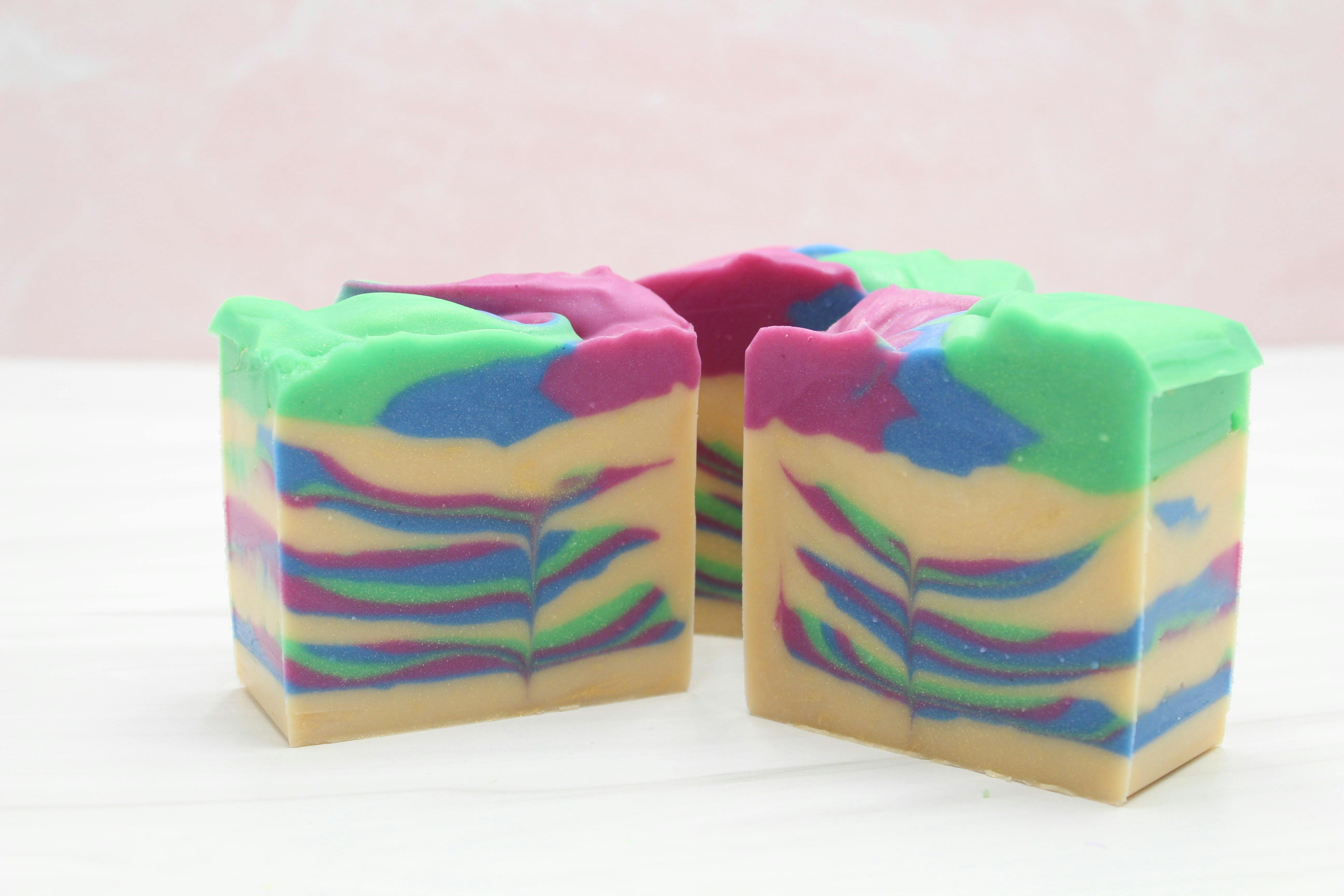
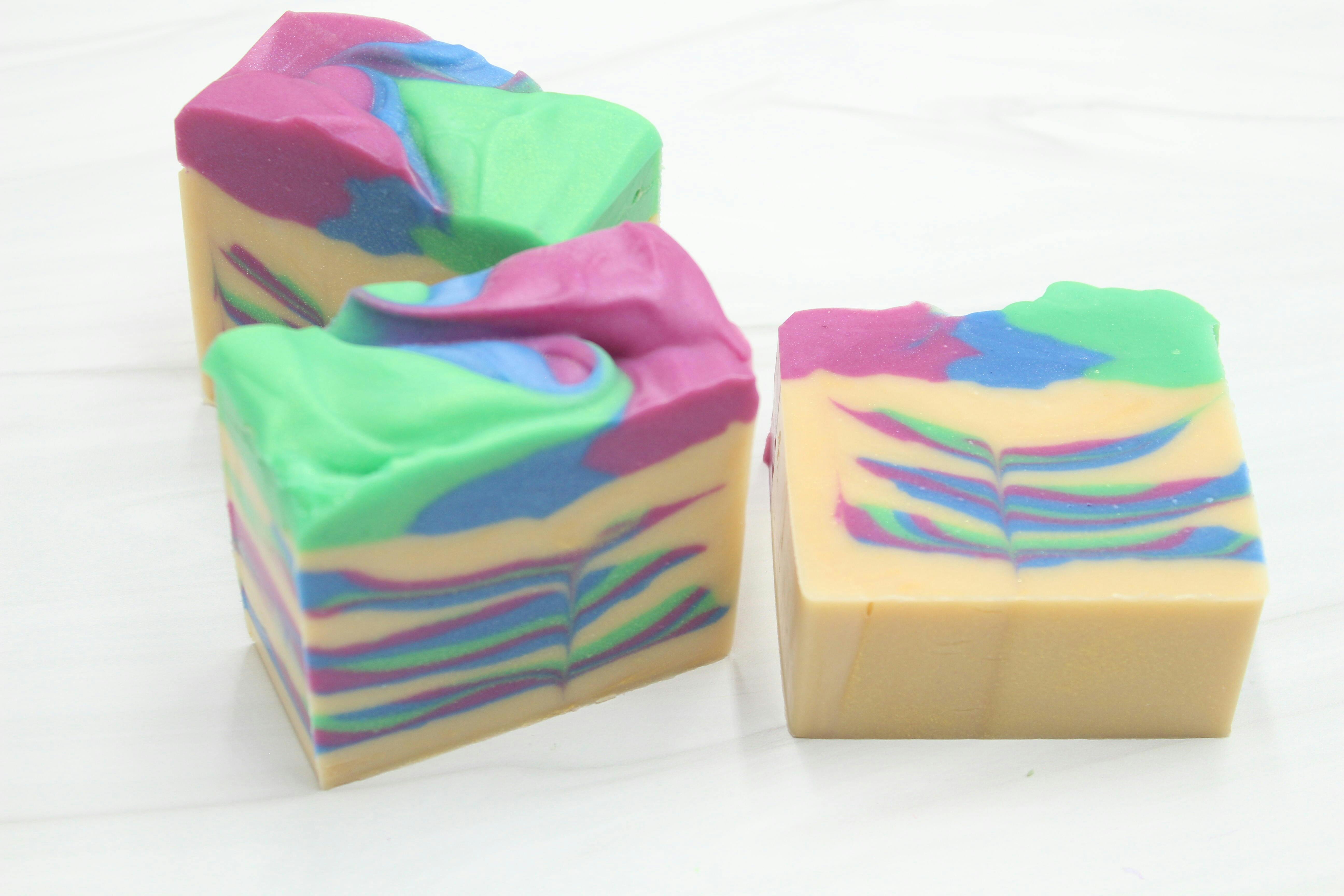
Cornflower Blue Mica Glitter is such a lovely shade - a soft blue sprinkled with tiny silver specks that make it shimmer beautifully. While that sparkle tends to get lost in cold process soap, it still gives a gentle, pretty blue color. To really let its beauty shine, use it in clear products like clear melt and pour or epoxy resin.

Notes By Owner/Maker/Creator - Yours Truly, Carrie Jack 😊❤️

Ingredients & Info

INCI: Fluorphlogopite, titanium dioxide, ultramarine blue, tin oxide
Micron Size: 30-150 μm

FDA Approved Use

  • Eyes: Yes
  • Lips: No
  • Bath Bombs: No
  • General Body Use: Yes

Use Notes

Mica-based glitters are the only glitter we have found that can add sparkle to cold process soaps! They need to be used at about 3 teaspoons per pound of oils to achieve a sparkle effect.

They can also be used with bath bombs to add fine glittery effect to the water.

Use Rate

  • CP Soap: 3 teaspoons per pound of oils.
  • MP Soap: .5 teaspoon per pound of soap base.

More or less can be added to achieve your desired color.

CA Prop 65

⚠️ Warning: Titanium dioxide (airborne, unbound particles of respirable size) is on the Proposition 65 list because it can cause cancer. Exposure to titanium dioxide may increase the risk of cancer. Once incorporated into a liquid or solid base it is no longer airborne and falls off the Prop 65 list.

Documentation

  • 📁 SDS
  • 📁 CoA